Painted first by
Inge Schuster.
The palette that runs through all of Wapahani — rose, marigold, coral — was drawn straight from her canvases. The building borrowed its colors from these paintings.
Art on every wall.
The hallways aren't a way to get to the gallery — they are the gallery. Every artist hangs work outside their door, so walking the building feels like a slow opening night that never closes.


Wapahani.
Long before it was the White River, the Native peoples who lived along these banks called the water Wapahani — “white sands.” The river once ran so clear you could see the pale sand and limestone along its bottom, and the name stuck to it.
About twenty years ago the city carried that name back to the riverfront, naming the Wapahani Trail that runs from IUPUI down to Lilly’s lake on Raymond Street. The trail passes right outside our door. We borrowed the name from it — a quiet acknowledgement of the land’s history, and of how the river still feels here: bright, alive, in the middle of the city.
From rundown
to remarkable.
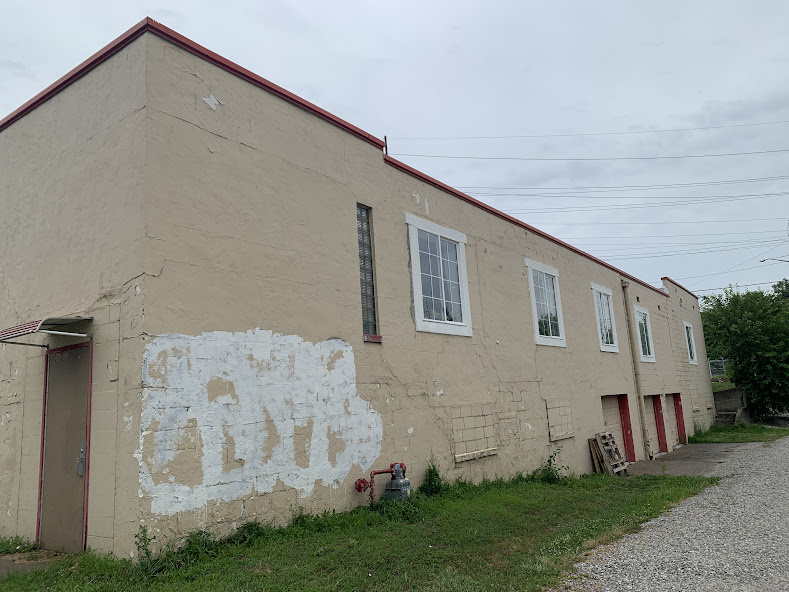
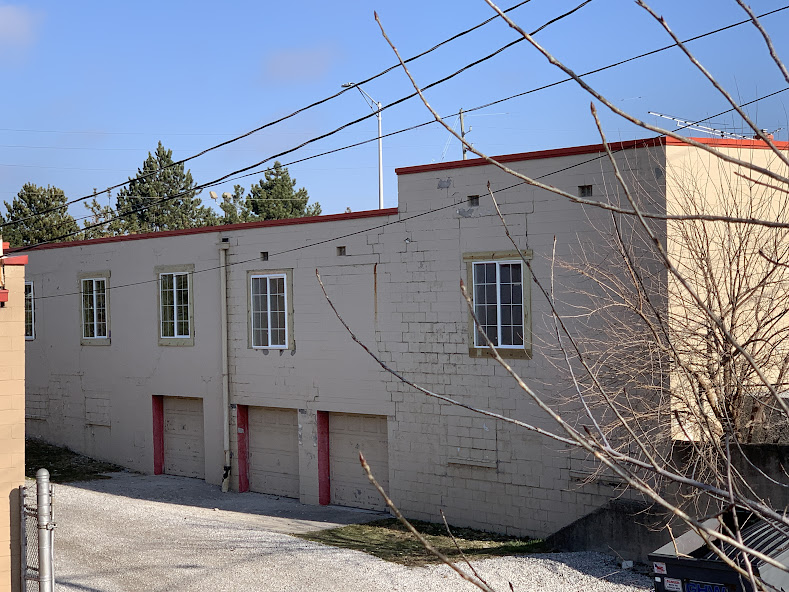
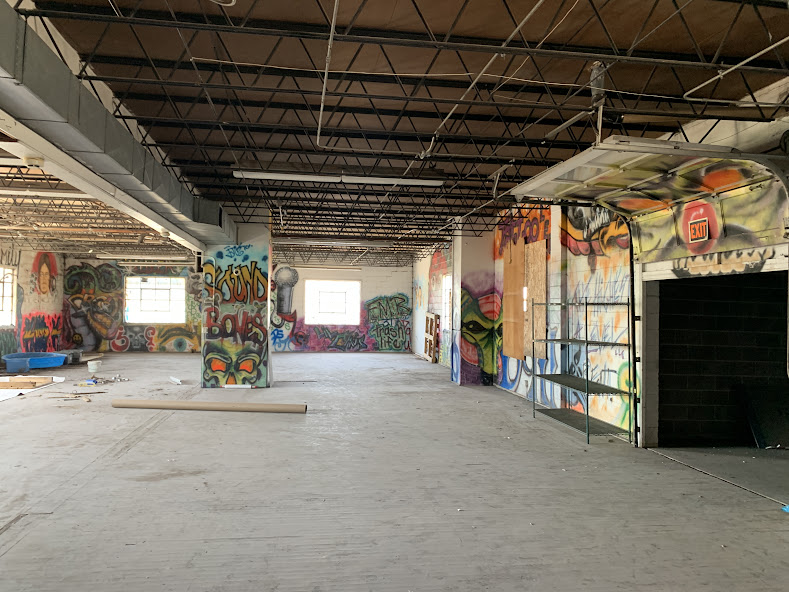
Wapahani was never planned as an art center; great things, the saying goes, are done by a series of small things. While developing the Back 9 Golf & Entertainment campus just south of here, Stephen J. Alexander kept buying up the rundown, dilapidated buildings scattered around the neighborhood — trash-strewn warehouses sitting directly across the street from Lilly’s pharmaceutical tech center — and quietly fixing them up, not yet sure what they would become.
Then Julie, from the Indianapolis Arts Council, came looking for a warehouse to paint a set of oversized basketballs for the Pacers. The space couldn’t fit that project — but she took one look at the hardwood floors and the tall windows and said: sized and priced right, these would make extraordinary artist studios. So we built the spaces artists actually wanted, and the artists came.
Stockyards District.
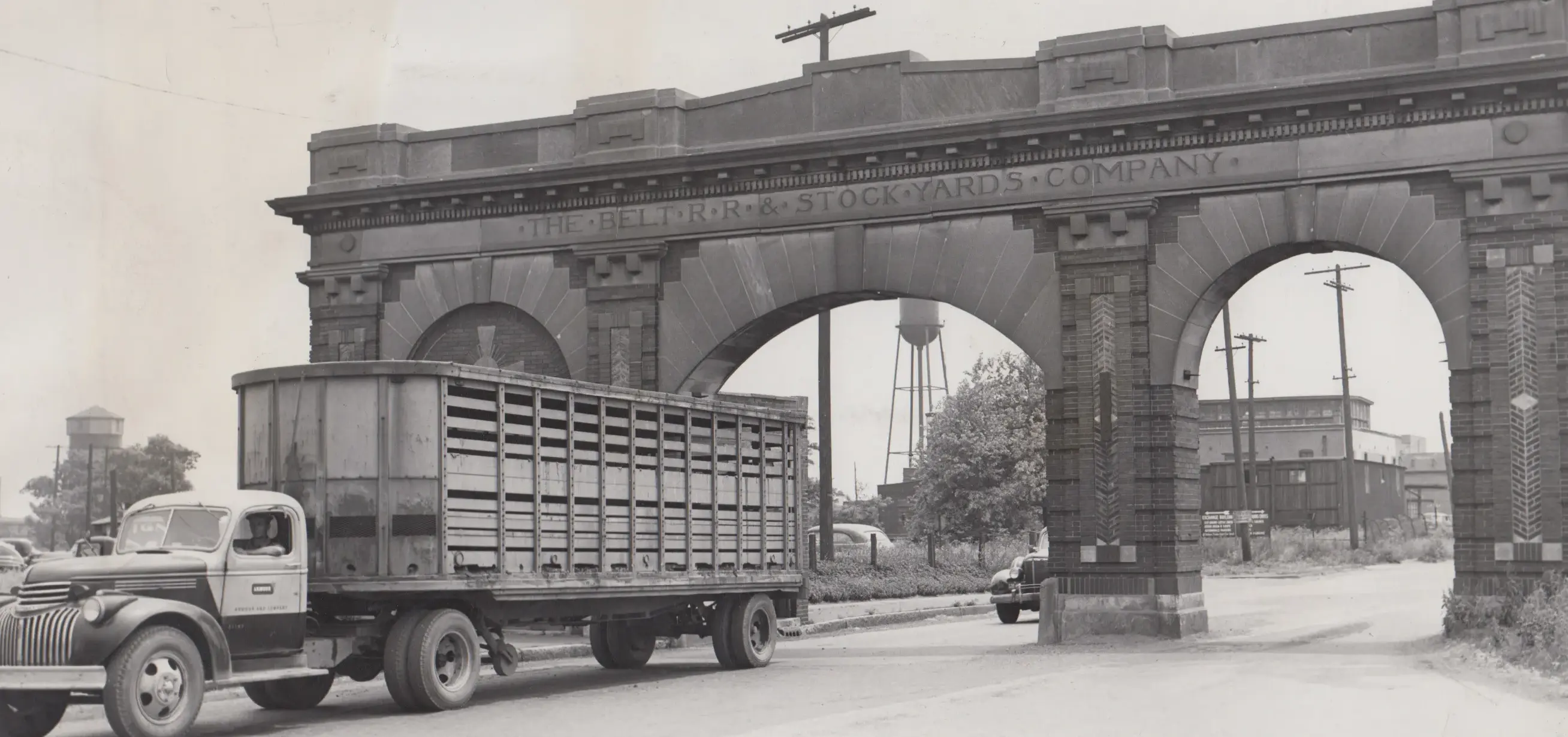
For more than a century this stretch of the river was anything but bright. The Indianapolis Abattoir, the Kingan meat-packing plants, and the city stockyards poured their waste straight into the White River — a neighbor the newspapers of the day flatly called “not an agreeable” one.
A hundred and fifty years later, it was time to fix the damage — to bring people and art back to the river: a harmony parallel to the nature that has always quietly stood beside it. Today the Stockyards District is becoming one of the city’s most creative corridors. Neighbors: Back 9 Golf & Entertainment, the Biltwell Event Center, the Edison School for the Arts, Hotel Tango Distillery. Ten minutes from Fountain Square. Free parking.
1103 South Kentucky.
Opened in 2025 on the southwest edge of downtown Indianapolis, entrance facing the White River Parkway. Inside: private artist studios, shared space, tall windows.
Studios run 250–650 sq.ft. Most have sinks. All are part of a quiet community of working artists — painters, ceramicists, fiber artists, photographers (who don’t take a photograph here so much as make one), beauty artists, and more. We’re acquiring more buildings along the water, with new studios planned behind walls of glass facing the river.


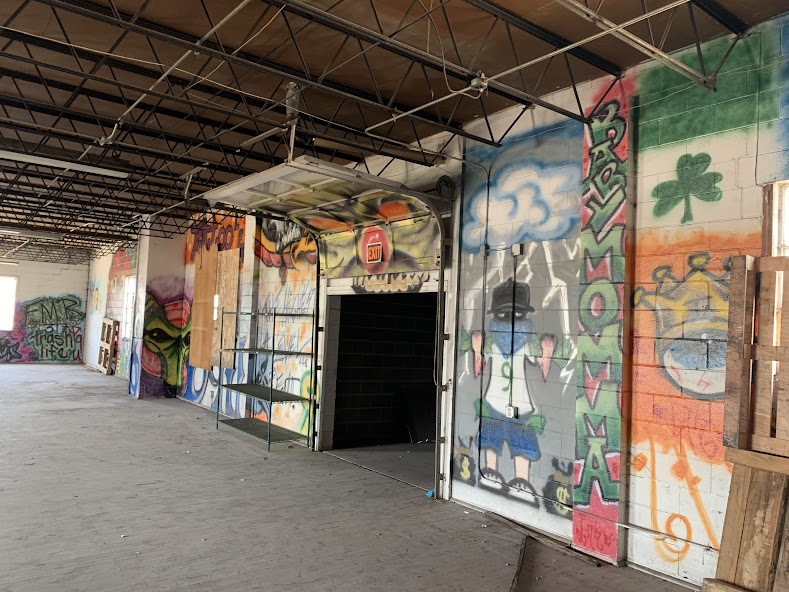
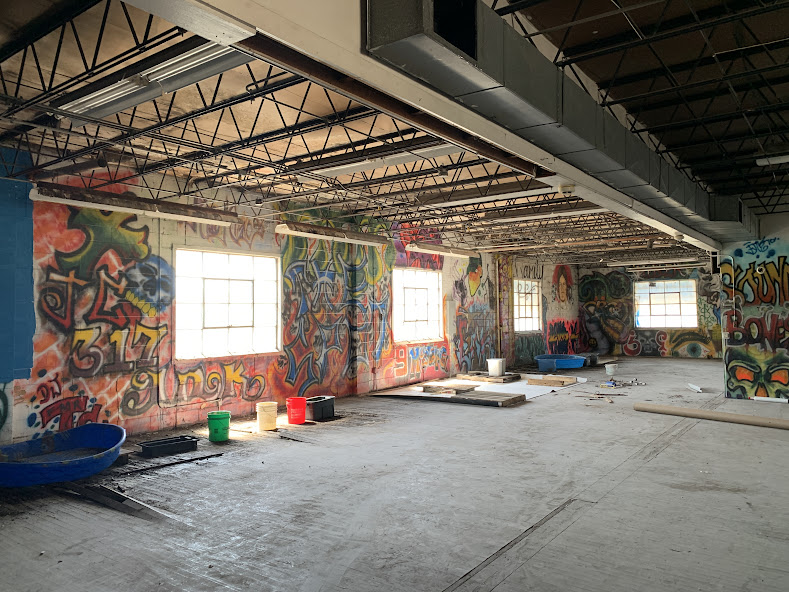

I have an image in my mind of what it can be, but every day it changes.
Stephen J. Alexander, AIA Riva Campo
A long view
from the river.
Wapahani is a project of Riva Campo, the entity through which Stephen J. Alexander, AIA, leads his work along the White River. Stephen comes from two old Indiana families — the Princes of Brown County and the Alexanders of Johnson County — community builders since the 1830s, full of artists, musicians, writers, and activists. Family elders like Howard Prince, a self-taught civil engineer, founded the town of Prince’s Lakes and built the Sweetwater and Cordry Lake communities in Brown County.
Since 1978, Stephen has worked to draw Indianapolis back to the White River — to reuse it as a park, as an amenity, as a place to reconnect with nature. Back 9 Golf, the Stockyards plan, the Old Southside redevelopment, and now Wapahani are all part of that long view: a corner of the city given over to making things. He’ll tell you he is, after all these years, still learning.
